The Future Is Bright: Why You Should Transition to Solar Power Today
The shift to solar energy is increasingly relevant in today's world. With increasing energy demands and ecological issues, many are exploring sustainable solutions. Solar power represents a viable option, delivering both environmental advantages and cost savings. As installation costs decrease and technology advances, the advantages become more evident. However, potential adopters may still have outstanding questions about the process and implications. Understanding these factors can help determine whether solar energy is the right choice for them.
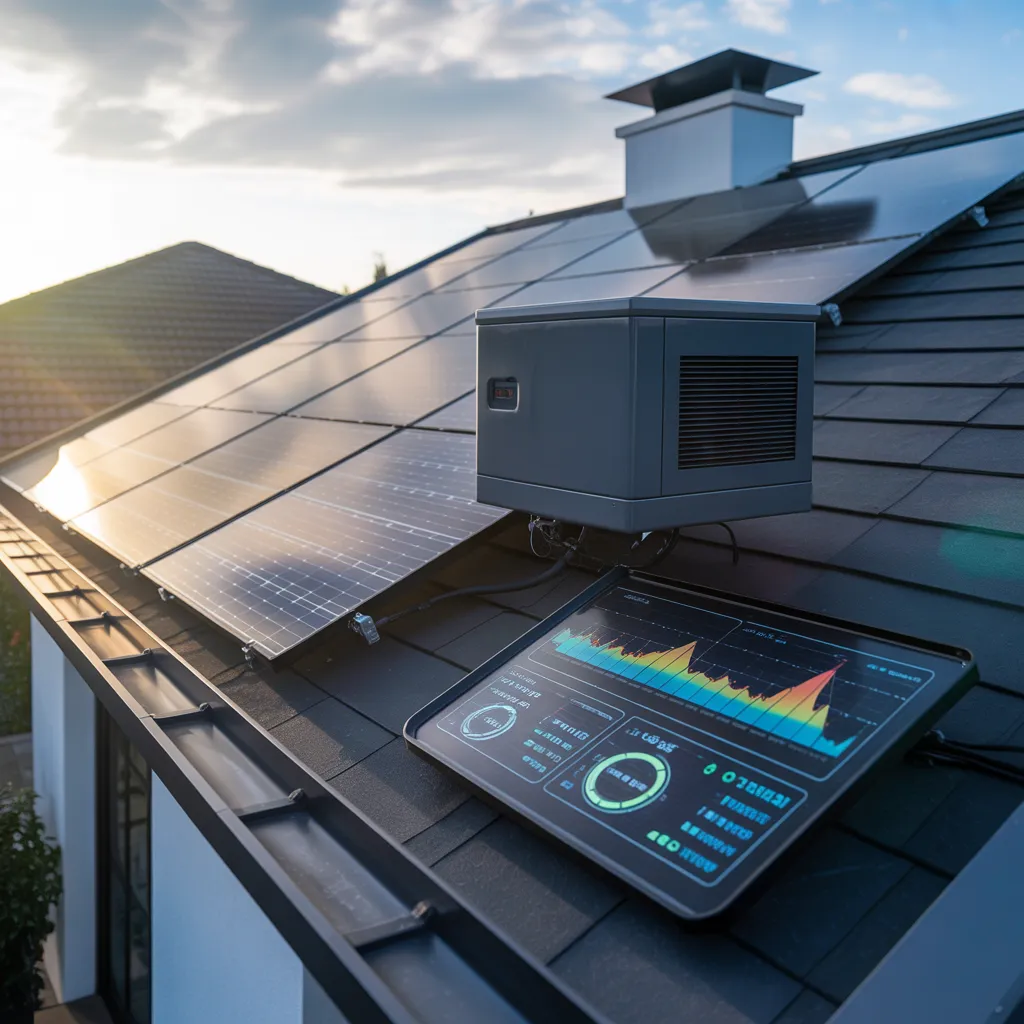
Comprehending Solar Power Fundamentals
Harnessing solar energy, a robust renewable resource, converts sunlight into electricity and heat. The capture process primarily uses photovoltaic cells, usually integrated in solar panels, which change light into electrical current. This conversion happens as photons from the sun energize electrons within the cells, generating an electrical current. Moreover, solar thermal systems harness sunlight to elevate fluid temperatures, enabling their use for domestic heating or steam-driven electricity production.
Photovoltaic systems can be set up on building tops or in extensive solar farms, delivering flexibility for both residential and commercial applications. With reducing costs and advancements in technology, solar energy has become progressively accessible to a broader audience. Incentives, such as tax credits and rebates, further encourage adoption. As a trustworthy and sustainable energy source, solar power plays an vital role in minimizing dependency on fossil fuels and promoting energy independence.
How Solar Power Impacts the Environment
Although numerous energy sources result in environmental degradation, solar power is distinguished for its ability to considerably reduce carbon emissions and other pollutants. By utilizing sunlight, solar energy offers a clean alternative to fossil fuels, which are significant contributors to air and water pollution. The use of solar panels creates electricity without producing harmful emissions, significantly cutting the carbon footprint of energy consumption.
Moreover, solar power systems demand negligible water for functioning, in contrast to typical power plants that consume extensive water resources for cooling. This lowering in water usage helps reduce stress on local water resources, especially in drought-prone regions.
In addition, as solar innovation progresses, the environmental impact of creating and getting rid of solar panels continues to improve. The recycling of solar components is becoming more efficient, further mitigating environmental concerns. In summary, the adoption of solar energy marks an essential stride in the direction of a sustainable and environmentally responsible future.
The Economic Benefits of Adopting Solar Energy
Converting to solar energy presents considerable financial gains for homeowners and businesses alike. Not only can property owners expect substantial long-term savings on energy costs, but there are also multiple tax incentives presently available that can offset the initial investment. This combination of savings and incentives makes solar energy an increasingly attractive solution for those looking to cut their overall energy costs.
Long-Term Cost Savings Potential
Putting money into solar energy provides considerable long-term savings potential that can greatly impact business finances and household budgets. By creating their own electricity, businesses and homeowners can significantly reduce or even eradicate their monthly utility bills. Over time, these savings add up, leading to a return on investment that often goes beyond initial installation costs. Moreover, solar energy systems typically require minimal maintenance, further enhancing their cost-effectiveness. With energy prices expected to rise, locking in a stable energy source through solar can provide economic stability and certainty. Moreover, as technology advances, the efficiency and lifespan of solar panels continue to enhance, guaranteeing that the long-term rewards of solar energy remain compelling for both homeowners and business operators.
Today's Available Tax Incentives
What financial benefits do homeowners and businesses gain from tax incentives when switching to solar power? The federal government currently offers the Investment Tax Credit (ITC), which allows individuals to deduct 26% of the solar system investment from their federal taxes. This benefit applies to both residential and commercial installations, significantly lowering the initial investment. Furthermore, many states supply their own tax credits, rebates, and grants, additionally improving financial benefits. Some local governments also implement property tax exemptions, making sure that the increased property value from solar installations doesn't result in higher taxes. These incentives collectively establish solar energy more financially attractive, allowing homeowners and businesses to get their money back faster while contributing to a sustainable future.
Essential Solar Incentives You Should Know
How might homeowners make the most of their economic advantages while switching to solar energy? Grasping the different solar incentives is vital. Federal programs, such as the Investment Tax Credit (ITC), permit homeowners to deduct a substantial percentage of their solar system installation costs from their federal taxes. Additionally, many states offer regional incentives, including rebates and tax credits, which can substantially reduce upfront expenses.
Some utility providers provide performance-based incentives, benefiting homeowners for the energy produced by their solar setups. Furthermore, net metering allows homeowners to get compensation for excess electricity generated, further offsetting expenses.
Financing options, including solar loans and leases, can also enhance affordability. Programs designed for low-income households, such as the Solar for All initiative, aim to make solar attainable to a wider audience. By utilizing these incentives, homeowners can substantially increase their financial returns when switching to solar energy.
Analyzing Residential Solar Power System Types: On-Grid, Off-Grid, and Hybrid
When exploring residential solar systems, homeowners can pick from grid-tied, off-grid, and hybrid options. Grid-tied systems provide seamless integration with existing power grids, permitting energy savings and potential income through net metering. Conversely, off-grid systems ensure independence from utility companies but present particular considerations regarding energy storage and reliability.
Benefits of Grid-Tied Systems
While many homeowners explore various solar energy options, grid-tied systems are notable for their many advantages. These systems interface immediately with the local electricity grid, letting homeowners to leverage both solar power and traditional electricity seamlessly. One substantial benefit is the potential for net metering, where excess energy generated can be transferred to the grid, cutting electricity bills. Furthermore, grid-tied systems require less storage capacity, doing away with the need for costly batteries. This translates to lower upfront installation costs and simplified maintenance. Additionally, they provide dependable electricity during non-sunny periods, guaranteeing continuous power supply. On the whole, the efficiency and cost-effectiveness of grid-tied systems make them an desirable choice for various homeowners looking to transition to solar energy.
Off-Grid System Considerations
Even though off-grid systems deliver a self-sufficient energy solution, they come with particular considerations that homeowners should evaluate. First, the initial investment is typically higher due to the need for batteries and additional equipment. Homeowners must also examine their energy consumption patterns, as off-grid systems require careful management to maintain the availability of power during periods of low sunlight. Moreover, maintenance responsibilities rise, with regular checks on battery health and system performance. Off-grid systems may also demand space for solar panels and batteries, which can be a limiting factor for some properties. Last but not least, homeowners should examine their long-term energy needs check article and potential future expansions to ensure the system remains appropriate over time.
Prevalent Myths Regarding Solar Energy
What misconceptions cloud the understanding of solar energy? Several individuals are convinced that solar panels are inefficient in cloudy or rainy climates, but advancements in technology have enabled panels to capture energy even in unfavorable conditions. Another prevalent myth is that solar energy is unaffordably priced; however, prices have significantly decreased over the years, making it more accessible for homeowners. Some people worry that solar panels require considerable maintenance, yet they are generally minimal-maintenance and often come with warranties lasting 20 years or more. In addition, there is a belief that solar energy can only be utilized in substantial installations, when in fact, residential setups can be equally effective. Last but not least, concerns about the service life of solar panels often arise, but most systems are designed to last 25 years or more, supplying sustainable energy solutions for decades. Dispelling these misconceptions is crucial for a more accurate understanding of solar energy's potential.
How to Install Solar Panels: A Comprehensive Step-by-Step Guide
Understanding the realities of solar energy lays the groundwork for those evaluating its adoption. To install solar panels, one must first evaluate the roof's suitability. This includes analyzing the roof's area, angle, and sun exposure throughout the day. Next, obtaining essential permits and verifying local regulations is vital to confirm compliance.
After approvals are obtained, the installation process commences with mounting the solar panels to the roof using brackets. After this, the panels are attached to an inverter, which changes solar energy into electricity that can be used.
The next step involves wiring the system to the home's electrical panel, making certain of safe and proper connection. Once installation is complete, it is essential to test the system's functionality to confirm that it operates correctly. Finally, homeowners should look into implementing a monitoring system to track energy production. This structured approach simplifies the shift to solar energy, enabling a sustainable power source.
Questions & Answers
Can Solar Panels Operate in Cloudy or Rainy Weather?
Solar panels continue to generate electricity in cloudy or rainy weather, albeit with lower efficiency. They rely on diffused sunlight, which allows them to function, albeit at reduced capacity compared to sunny conditions.
How Many Years Do Solar Panels Last Before They Need Replacing?
Solar panels usually last between 25 and 30 years before requiring replacement. Their lifespan is determined by multiple factors, including how well they're installed, maintenance, and local weather conditions, which can influence both performance and lifespan.
Will Solar Panels Enhance My Property Value?
Solar panels can boost property value. Research indicates homes with solar installations often sell for more than comparable homes without them, appealing to buyers due to energy savings and green benefits tied to renewable energy sources.
Can I Install Solar Panels Myself?
Yes, property owners can self-install solar panels, provided they maintain the requisite technical abilities and knowledge. However, proper understanding of local regulations, safety protocols, and potential technical challenges is essential for a successful installation process.
What Takes Place When I Sell My Home With Solar Panels?
If someone sells their house with solar panels, the panels typically increase property value. Buyers often appreciate the energy savings, but if leased, commitments could transfer, influencing the sale. Appropriate disclosure is vital in these transactions.